These two phones target slightly different markets, but they share enough similarities that it’s time we put them through a comparison showdown! Which phone comes out on top? The LG G4 or the Samsung Galaxy Note 5? FIGHT!
The Note name carries a lineage of power user productivity. Does the Note 5 continue Samsung’s phablet dominance? It’s time to review one of the most anticipated phones of the year! Let’s do this!
Announced today. Sony took the wraps off their newest flagship phones. The Z5, Z5 Premium, and Z5 Compact.
Sony is first to market with a 4K display on a phone. The Z5 Premium will sport the Qualcomm 810 with 3GB of RAM, 32GB of built in storage, and the ability to add more via Micro SD card. Quite a feat shrinking that resolution down to a 5.5″ screen.
The bread and butter Z5 shrinks down to a 5.2″ display and reduces the resolution to 1080p, but retains largely the same overall experience.
The 4.6″ screened Compact also returns, continuing Sony’s track record of producing a smaller form factor phone which matches most of the specs found in their larger flagships. Always happy to see a smaller premium phone rather than gimped “mini” budget phones.
For all three, Sony’s hard edge rectangular design retains the Xperia feel we all understand. Water resistance seems to be improves ala Samsung, where ports no longer require awkward flaps.
Sony produces most of the top tier camera sensors found in competing phones, so it makes sense they would save “the good stuff” for themselves. Their newest sensor is a half inch 23MP beast with an f2 lens aperture, and they’re touting the world’s fastest smartphone auto focus. Combined with OIS, it should make for a solid competitor to the current crop of flagship phones.
Lastly, the side mounted power button gets upgraded to include a fingerprint sensor, a fairly ingenious design, providing one action for turning the phone on and unlocking, without resorting to a hardware Home button or rear mounted scanner.
The family of Xperia Z5 phones should be shipping in October, with country and pricing info to follow. You can catch Sony’s full press release below.
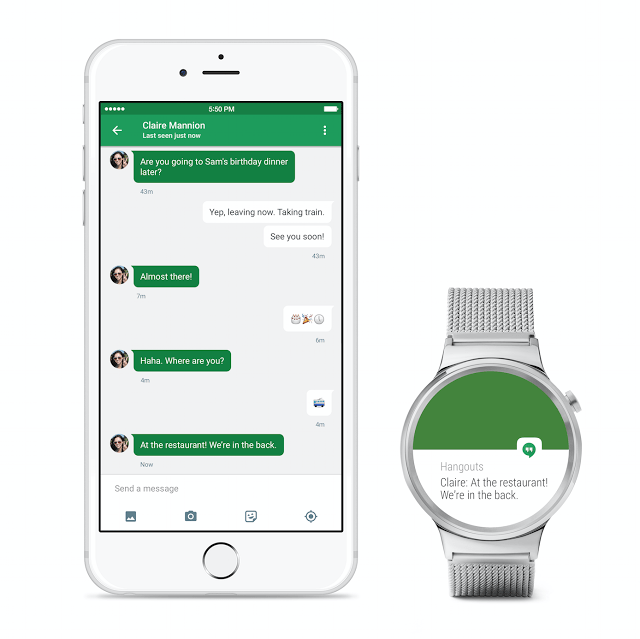
Sure Apple has their own watch, but if you’ve been eyeing the diversity of hardware in the Google ecosystem with envy, now you can use Android Wear without giving up your precious iPhone.
Starting today, any iPhone running iOS 8.2 or higher can install the Wear companion app through iTunes. Compatible with all current Wear watches, and you’ll have access to features like your notifications, fitness tracking, and “OK Google” voice search.
We’ve been seeing leaked versions of Microsoft’s digital assistant popping up on Android forums, but Cortana for Android is now available as a public BETA for everyone, no special login or credentials required.
One of the more popular features found on Windows Phones, Cortana can replace Google Now as the search and assistant on Android devices. Known for having more personality, she often does a better job of responding to casually delivered commands. We showcased some of her capabilities here in this older review of Windows Phone.
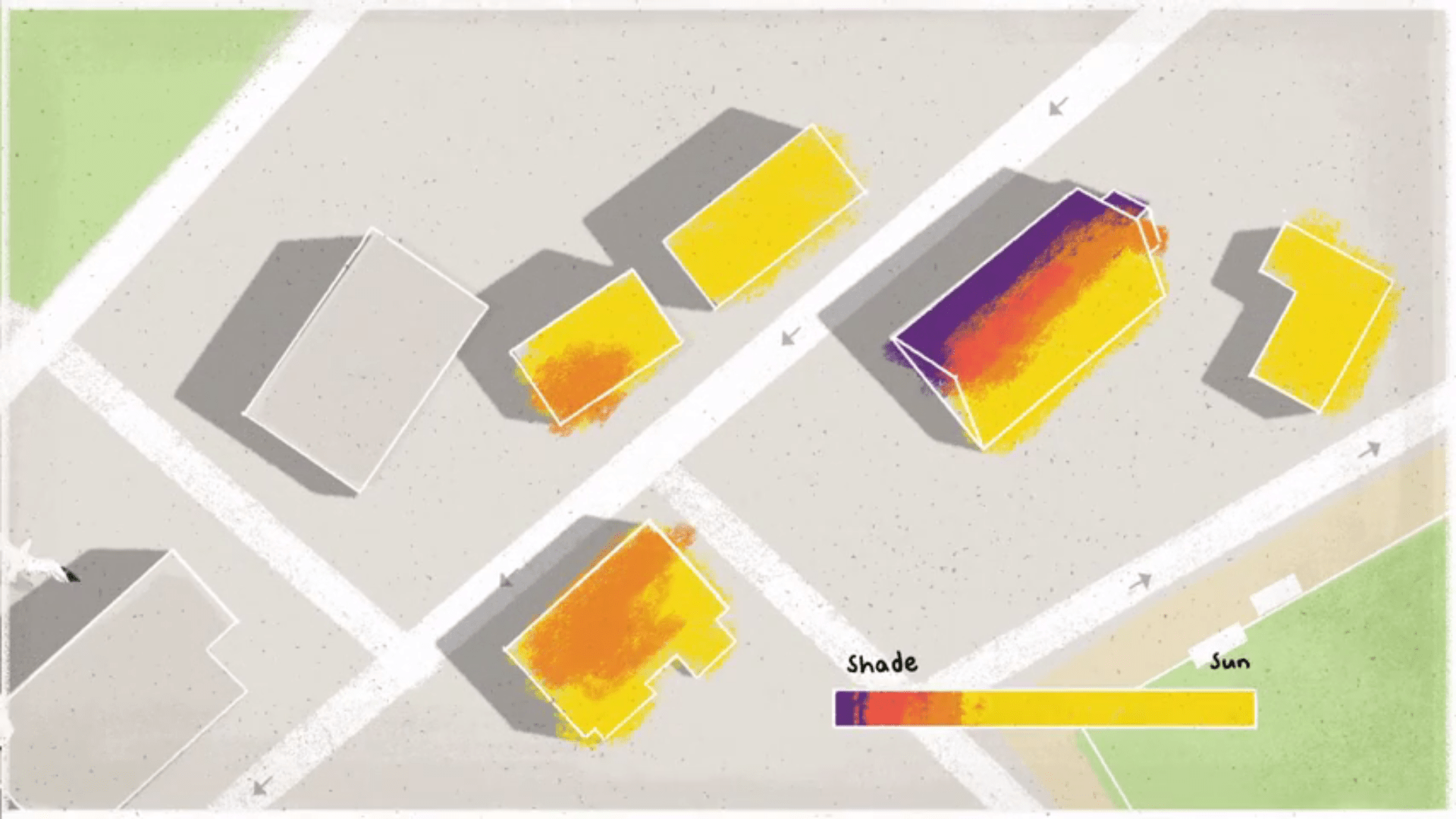
It can sometimes be a bit difficult finding good information on installing solar panels. Google’s Project Sunroof hopes to make the process a bit easier.
Utilizing their mapping data, and monitoring trends from homes with panels already installed, Google will be creating a database for home owners to search. Answering questions like how much sun a roof might receive, what options they have for installation in their area, and what the costs versus savings might look like.
The project is only currently supporting three cities, Boston, San Francisco, and Fresno, but knowing Google’s ability to traffic this kind of data, I would imagine the project will grow quickly. How do you not easily add a city like Phoenix or Albuquerque right?
We’ve been playing with the preview builds of Android M, but of course one of the most important points of speculation is what dessert name that “M” will stand for.
Google HQ took the wraps off a new lawn statue, and now we have our answer. Android M will be Marshmallow.
Hopefully the update will be more solid than the treat it’s named after 😉
Here we go folks! Samsung is pushing up the timetable on their large screen phones, and we’re getting our phablet fix a little earlier than last year.
We now have proper confirmation on specs for these two handsets, and it looks like the rumor train was pretty spot on.
The Galaxy Note 5 is following in the footsteps of the Galaxy S6. We’ll be continuing the more iPhone inspired lines wrapping around the edges of the phone. This means no removable back plate, no swappable battery, and to support Samsung’s internal storage file system, there will not be any MicroSD card expansion. Focusing on “THIN” means we do have a subtle bulge coming from the camera module on the back of the phone.
The battery will also shrink down to 3,000mAh from the Note 4’s 3,220 cell. Samsung is betting on fast charging, and wireless “fast” charging, over including a larger battery capacity. Full charge over USB cable in 90 minutes. Full charge wirelessly over two hours.